Community of Metros News: 2026 Virtual Events in the First Quarter

The TSC has kicked off 2026 with real momentum, hosting six vibrant virtual events in the first quarter. It is inspiring to see members getting connected and sharing insights through the online discussions.

Study Webinars: The Headway-Based Scheduling and Dispatching Webinar (January) discussed the advantages, challenges, and real-world applications of headway-based operations. In March, the CBTC Operations and Maintenance Structure Webinar reviewed findings of the on-going study encompassing the experience of 34 metros.

Virtual General Meeting (February): Members received the latest COMET data updates and heard presentations from New York NYCT and Hong Kong MTR on their member-led studies.

Virtual Workshops: The Virtual CBTC Workshop (February) built on the success of the 2023 in-person event, featuring updates from 15 metros navigating the complexities of CBTC deployment. The Virtual Metro Automation Workshop (March) energised discussions around GoA3 and GoA4 implementation, with exciting project updates from Sydney Metro, Metro de Madrid, Copenhagen S-Tog, and other metros.

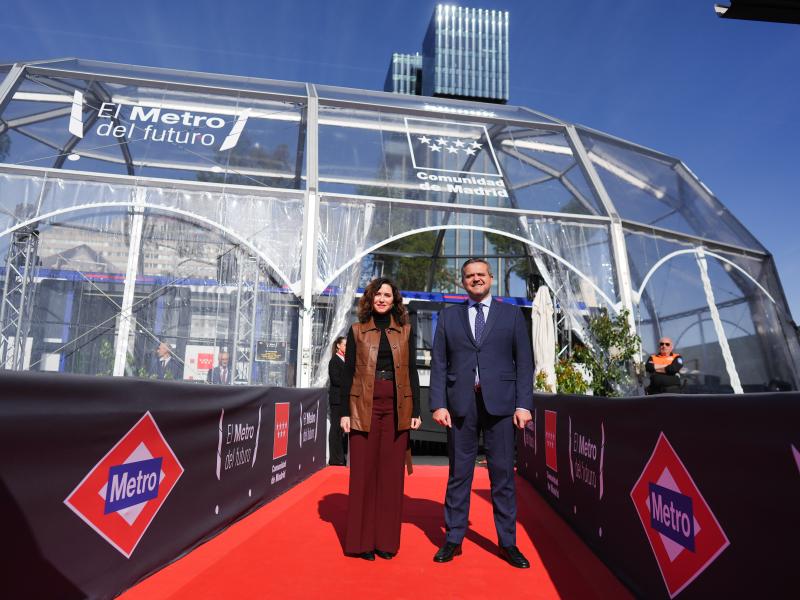
Metro de Madrid ‘Metro of the Future’ Exhibition

Data Collection Clinic (March) equipped members with a clear overview of the 2026 data process and new tools designed to help them harness the value of COMET’s datasets.

Research: Decarbonisation of Metro Operations

Metros worldwide are working to reduce greenhouse gas emissions, but approaches to measuring and reporting vary. This study helps metros quantify emissions across Scopes 1, 2, and 3, highlighting the importance of consistent reporting and the role of metros in broader regional decarbonisation through mode shift and compact development. It draws on responses from 34 metros and summarises key initiatives to reduce emissions as well as emerging innovations carried out by members.

Washington DC WMATA’s ‘Metro Rewind’ website

Many metros now face increasing requirements to report greenhouse gas emissions. To meet sustainability goals, metros typically adopt emission-reduction or net-zero targets aligned with national timelines, supported by improvements in renewable energy supply and increased metro ridership.

Reducing emissions requires actions across all scopes, including electrifying vehicles, improving energy efficiency, sustainable procurement, and low-carbon construction. Metros also reduce regional emissions through avoided car travel and can leverage carbon credits and trading systems to support net-zero ambitions.

Research: Air Quality in Metros

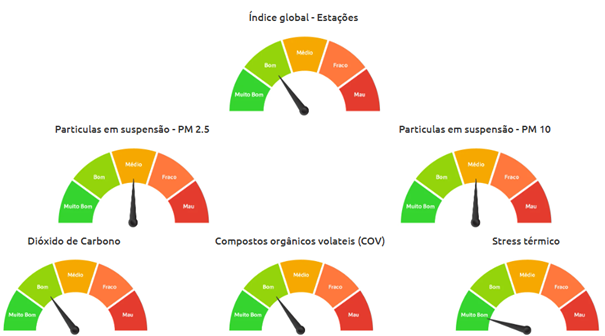
Poor air quality in metros can discourage riders, risk the safety of staff, and attract negative media attention. The Air Quality study examined how COMET metros monitor and manage air quality in their systems. It is focused on underground stations and onboard trains where pollutants can accumulate.

Metropolitano de Lisboa’s air quality dashboard

The report outlined the strategies metros have used to improve indoor air quality, including strategies that prevent emission of pollutants, reduce pollution concentration, and keep customers away from poor air quality. The study summarised the key recommendations to metros based on good practices identified from 30 metro organisations.

Research: Metro Reliability

Metro reliability is a crucial element of metro operations and customer service. During the core COVID-19 period, metros’ attention seemed to shift away from reliability to more pressing needs at that time, however it is clear that reliability has returned to one of metros’ top priorities as ridership returns.

The research collected the line-level data from 23 metros for 182 lines. It reviews how metros measure reliability and set reliability-related targets. It also investigates reliability performance based on both the network- and line-level data, and explores the successful initiatives that have been implemented by metros for reliability improvement.

Reliability indicator categories

Community of Metros News: COMET 2024 Annual Meeting in Singapore, 21-24 October

The TSC was very honoured to participate in the successful COMET 2024 Annual Meeting hosted by Singapore SMRT last week. The event brought together approximately 85 metro leaders from 28 cities around the world. Under the theme of “Building Fundamentals and Resilience”, the event included the CEO / COO Day where metro leaders openly shared their experiences about preparing for future needs relating to service quality, financial sustainability, and staffing.

The delegates had the opportunity to visit SMRT’s Kim Chuan Depot, where SMRT showcased their cutting-edge in-house technology to ensure system safety and reliability. During the event, member metros celebrated COMET’s 30th anniversary together. The remarks from Hong Kong MTR and Buenos Aires EMOVA highlighted the collaboration, benchmarking, and knowledge exchange amongst metro peers in the past three decades.

The TSC is incredibly proud of the partnership with members from the 45 metro organisations around the world. We very much look forward to many more years of collaboration in the future.

Research: Flood Management in Metros

Flood management is an increasingly emerging issue for metros associated with climate change and extreme weather. Most metros are expecting more frequent flooding events of greater severity in the future, and are thus interested in learning from each other on flood prevention and management. This study gathered information from 31 metros and looked into influential factors to flooding, velnerability assessment, and flood prevention and management initiatives.

Managing a flood is similar to incident management more widely. An operational response process starts an alert, an incident is declared, the situation is managed / water is contained, and operations are managed to prioritise safety, maintain service levels where possible, and keep customers informed.

Based on metros’ previous experiences with flooding, the study presented the key lessons learned by metros and their improvements for flood preparation and management. These cover the areas of infrastructure design, operational response, as well as maintenance and inspections.